Is Slimy Chicken Bad to Eat?
Quick Answer
Yes, slimy chicken is usually unsafe to eat. A slippery or sticky texture often indicates bacterial growth or spoilage. Even if the chicken does not smell strongly, sliminess is a warning sign and the chicken should be discarded.
What Does Slimy Chicken Mean?
Slimy chicken has a sticky, slippery, or mucus-like coating on the surface. This texture is typically caused by bacteria multiplying on the meat. Fresh chicken should feel moist but not slippery or gummy.
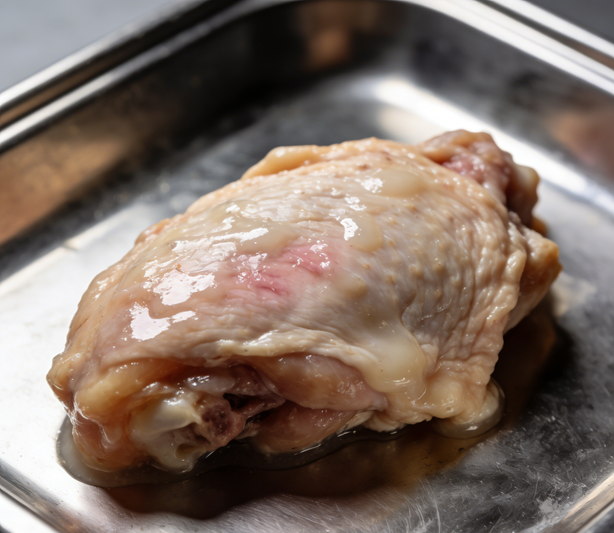
Why Does Chicken Become Slimy?
- Improper refrigeration temperature
- Extended storage beyond safe limits
- Cross-contamination with other foods
- Packaging leaks allowing bacterial growth
Chicken Storage Safety Chart
| Storage Condition | Safe Time Limit |
|---|---|
| Room temperature | Up to 2 hours |
| Refrigerator (4°C / 40°F) | 1–2 days (raw) |
| Freezer (-18°C / 0°F) | Up to 9 months |
Track Chicken Storage Time
Losing track of how long chicken has been stored increases the risk of spoilage. Use a timer to monitor storage duration and reduce the chance of eating unsafe chicken.
Need a reliable tool? Use the chicken storage timer →
How to Tell If Chicken Has Gone Bad
- Strong sour or rotten smell
- Slimy or sticky surface
- Gray, green, or yellow discoloration
- Mold or unusual spots
Is Slimy Chicken Ever Safe to Eat?
No. Even if cooked thoroughly, slimy chicken should not be eaten. Cooking does not eliminate toxins produced by bacteria during spoilage. When in doubt, throw it out.
Frequently Asked Questions
Can washing chicken remove the slimy texture?
No. Washing may spread bacteria and does not make spoiled chicken safe to eat.
Does freezing prevent chicken from becoming slimy?
Freezing slows bacterial growth but does not restore spoiled chicken.
What does fresh chicken feel like?
Fresh chicken should feel slightly moist but firm, not slippery or sticky.
Related Chicken Storage Questions
⬆ top